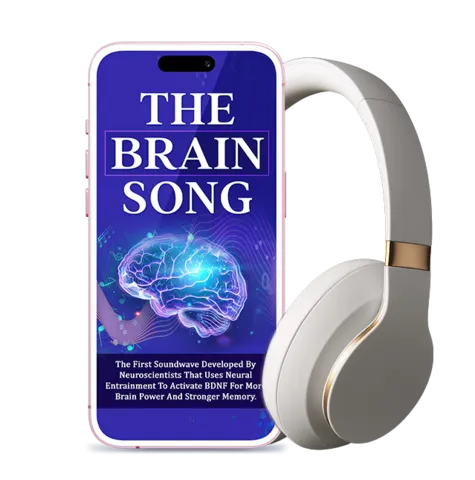
What the science actually supports about gamma brainwaves - and what it doesn't.
Gamma waves (30+ Hz) are associated with peak attention, memory binding, and conscious perception integration. Advanced meditators show elevated gamma; so do high-performing learners during peak engagement.
Yes, for short-term effects - measurable EEG entrainment, improved performance on attention tasks (PMID 32355218). Long-term cumulative benefits are less proven but plausible based on neuroplasticity research.
Marketing claims often go beyond what the evidence supports. The Brain Song's page (and good critics of it) note: it does not cure Alzheimer's, does not replace medication, does not produce IQ gains, and individual responses vary widely.
The MIT animal research has not yet translated to clear, large-scale human clinical benefits - though pilot trials are promising (PMID 34121089).
For healthy adults using gamma audio daily: expect subtle improvements in focus, mood stability, and recall over weeks. Don't expect transformation. Layer it with exercise, sleep, and nutrition for compounding effects.
Iaccarino HF, et al. (2016) "Gamma frequency entrainment attenuates amyloid load and modifies microglia." Nature. PMID: 27929004
Martorell AJ, et al. (2019) "Multi-sensory gamma stimulation ameliorates Alzheimer's-associated pathology and improves cognition." Cell. PMID: 30879788
Ross B, Lopez MD. (2020) "40-Hz binaural beats enhance training to mitigate the attentional blink." Scientific Reports. PMID: 32355218
Cimenser A, et al. (2021) "Sensory-evoked 40-Hz gamma oscillation improves sleep and daily living activities in Alzheimer's disease patients." Frontiers in Systems Neuroscience. PMID: 34121089
All major claims on this page link to peer-reviewed published research indexed on PubMed. Click any citation to verify on PubMed.
One-time payment, instant digital download, 90-day money-back guarantee.