The Basic Mechanism
Your brain produces electrical activity in rhythmic patterns. These rhythms aren't random - they reflect what state the brain is in. Active problem solving produces beta rhythms; relaxation produces alpha; deep meditation produces theta and gamma simultaneously.
Brainwave entrainment is the principle that external rhythmic stimuli can guide internal brain rhythms toward a target frequency. Listen to steady 40 Hz audio through headphones, and within minutes your EEG shows more 40 Hz activity. This isn't controversial - it's been measured in hundreds of studies.
The Frequency Bands and Their Effects
Delta (0.5-4 Hz)
Used for deep-sleep induction. Delta entrainment audio can help people who struggle to fall asleep, though sleep science suggests behavioral interventions (consistent bedtime, dark room, cool temperature) are more effective.
Theta (4-8 Hz)
Associated with deep relaxation, creativity, and hypnagogic states. Many meditation apps use theta entrainment subtly in their background tracks. Effects are subtle but consistent.
Alpha (8-13 Hz)
Calm, relaxed alertness. Alpha entrainment is well-studied for stress reduction. The most common "chill out" brainwave audio targets this band.
Beta (13-30 Hz)
Active thinking, problem solving. Beta entrainment audio is sometimes used for study or focus, but most research suggests gamma is more effective for cognitive enhancement.
Gamma (30+ Hz, especially 40 Hz)
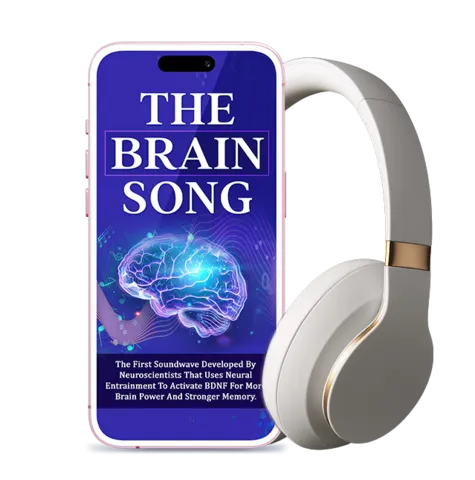
Peak attention, memory binding, conscious perception. This is where products like The Brain Song focus, and where the MIT research has been most groundbreaking.
How to Use Brainwave Audio Effectively
- Use stereo headphones for binaural beat tracks. Speakers don't produce the binaural effect.
- Quiet environment. Ambient noise dilutes the entrainment signal.
- Sit or recline, eyes closed. Don't drive or operate machinery during a session - the relaxed-alert state isn't compatible with focused attention on the road.
- Daily practice for at least 2 weeks before judging whether it's working. One session won't tell you.
- Match the frequency to the goal. Alpha for relaxation, theta for sleep, gamma for cognitive performance.
- Don't expect dramatic results. Brainwave audio is a subtle, cumulative practice. It's a tool, not magic.