What's Actually Happening
After about age 40, the brain begins a gradual physiological shift. Processing speed declines (you might notice you take a beat longer to read a complex sentence). Working memory capacity narrows slightly. BDNF production drops. Brain volume slowly decreases, particularly in the prefrontal cortex and hippocampus.
This is normal aging - not pathology. The vast majority of people who notice cognitive slips in their 40s, 50s, and 60s do not have dementia; they have aging brains doing normal aging-brain things.
Normal vs Concerning
- Normal: Forgetting why you walked into a room, occasional name slips, taking longer to find words
- Normal: Multi-tasking feels harder; you prefer fewer concurrent demands
- Normal: Slower processing of dense or fast information (new technology, complex movies)
- Concerning: Getting lost in places you know well
- Concerning: Forgetting how to do familiar tasks (cooking a recipe you've made hundreds of times)
- Concerning: Family or close friends noticing changes you don't
- Concerning: Personality changes alongside memory changes
If concerning signs appear, see a doctor. Most cognitive complaints in adults under 70 turn out to be sleep, mood, medication side effects, or thyroid issues - not dementia. But ruling those out matters.
The Five Highest-Leverage Interventions
1. Aerobic exercise
Strongest evidence by a wide margin. 30-45 minutes, 4-5x/week. Erickson et al. showed a year of aerobic exercise increased hippocampal volume in older adults (PMID 21677305). Nothing else has this strength of evidence.
2. Sleep quality and consistency
7-9 hours, consistent bedtime, dark cool room. Deep sleep is when the brain literally clears metabolic waste (via the glymphatic system) and consolidates memories. Chronic sleep deficiency is one of the most reliable predictors of cognitive decline.
3. Mediterranean-pattern diet
Olive oil, fatty fish, leafy greens, nuts, legumes, low refined sugar. The MIND diet variation (Mediterranean + DASH for brain) has the strongest evidence for slowing cognitive decline in observational studies.
4. Social engagement
Loneliness raises dementia risk as much as smoking. Regular, meaningful social contact - not just being around people, but real conversations - is protective. This intervention is often underrated.
5. Lifelong learning challenges
New skills, language learning, musical instruments, complex hobbies. The brain that's regularly challenged stays sharper. Crosswords help a little; learning Spanish at 60 helps more.
Where Brainwave Audio Fits
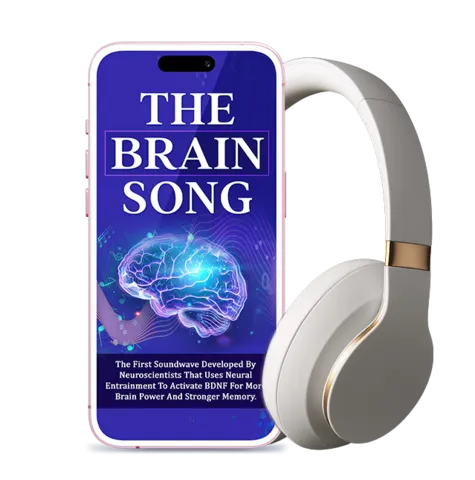
Audio entrainment like The Brain Song is a supplementary tool, not a primary intervention. It may complement the foundational five by supporting daily mental clarity and providing a structured cognitive ritual. It does not replace exercise, sleep, diet, social life, or learning. Anyone selling brainwave audio as a substitute for those is misleading you.